

A roof is one of the most important structural components of any home, yet it is often overlooked until problems arise. Homeowners rely on their roofs to provide protection from the elements, regulate indoor temperatures, and maintain the structural integrity of the building. Because a roof plays such a critical role in comfort and safety, understanding how it works and what it needs to remain in good condition is essential. A well-maintained roof can extend the lifespan of your home, improve energy efficiency, and prevent costly repairs that result from unnoticed or neglected damage. Taking time to learn about roof care provides peace of mind and helps homeowners make informed decisions about maintenance and upgrades.
A roof also represents a major financial investment, which is why proper care and routine attention are so important. Many homeowners are surprised to learn how factors like weather, aging materials, and ventilation can impact a roof’s performance over time. Knowing the signs of deterioration, the differences between materials, and the purpose of key components helps prevent minor issues from becoming major ones. With the right knowledge, homeowners can approach maintenance confidently and ensure their roofs remain durable and dependable for years to come.
Understanding the Purpose of Your Roof
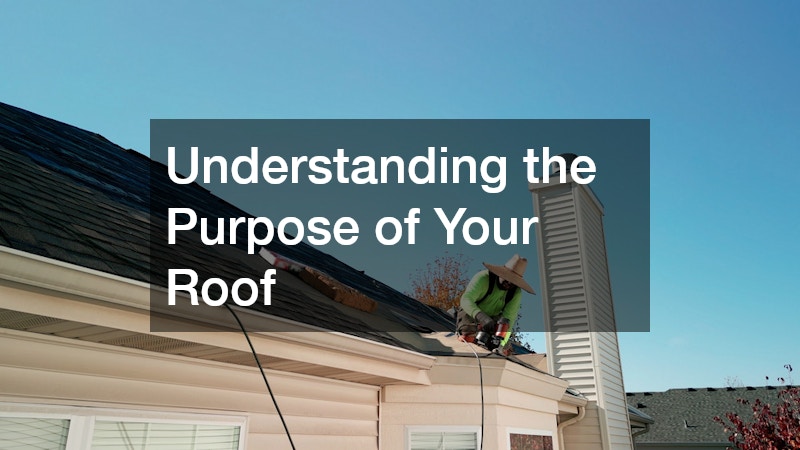
A roof does far more than simply cover a home; it is designed to protect the structure from wind, rain, snow, sunlight, and temperature fluctuations. Its shape, materials, and construction allow water to shed efficiently while providing insulation and structural stability. Without a properly functioning roof, a home becomes vulnerable to leaks, mold growth, and damage to walls, ceilings, and personal belongings. When homeowners understand this fundamental purpose, they are more likely to recognize the importance of ongoing care and timely maintenance.
Protection is only one aspect of what a roof provides, as it also contributes to the overall efficiency and comfort of the home. A well-designed roof helps regulate heat transfer and maintain consistent indoor temperatures, supporting lower energy use throughout the year. When issues arise that affect performance or integrity, consulting a roofer can help homeowners determine the best course of action to restore their roof’s protective capabilities. By appreciating the role a roof plays in everyday comfort and safety, homeowners are better equipped to care for it proactively.
Identifying the Main Components of a Roofing System
A roofing system is made up of several interconnected parts that work together to protect your home. Shingles or tiles form the exterior layer, underlayment adds an extra moisture barrier, and flashing seals vulnerable seams near chimneys, vents, and skylights. Beneath these components, the roof deck supports the entire structure, while attic ventilation allows heat and moisture to escape. Understanding how these elements interact helps homeowners identify potential weak points and address issues before they worsen. Each component serves a unique purpose, contributing to the roof’s overall strength and durability.
The quality and installation of these components affect how well a roof performs over its lifetime. If flashing deteriorates, water can seep beneath shingles; if ventilation is poor, moisture may cause rot or mold inside the attic. When concerns arise about the structure or performance of these essential roofing elements, consulting a local roofing company can help ensure every part of the system is functioning correctly. Recognizing the importance of each component empowers homeowners to make better decisions about repairs, replacements, and long-term maintenance strategies.
Recognizing Common Signs of Roof Damage
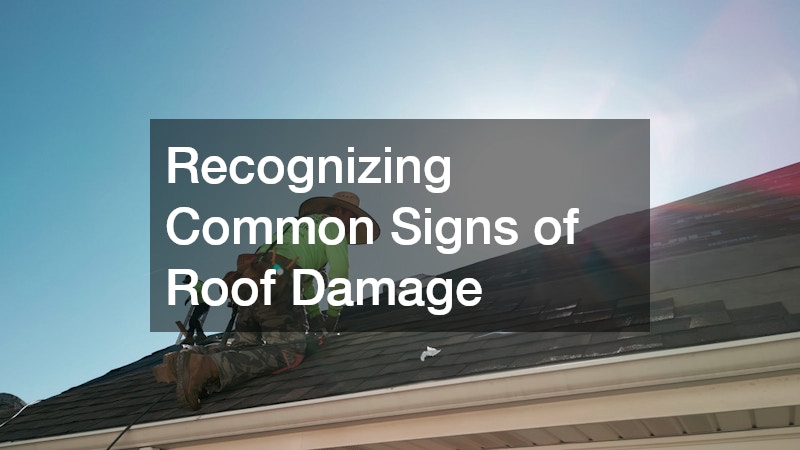
Roof damage can develop slowly over time or appear suddenly after severe weather, making it important for homeowners to know what warning signs to look for. Common indicators include missing or curling shingles, granule loss, water stains on ceilings, sagging rooflines, and visible mold or algae growth. Even subtle changes in appearance can signal underlying issues that compromise the roof’s ability to protect the home. Identifying these signs early helps prevent small problems from turning into costly structural damage. Regular visual checks allow homeowners to stay proactive and catch concerns before they worsen.
Some signs of damage may be less obvious and require a closer inspection to detect. Soft spots on the roof surface, increased indoor humidity, or unexpectedly high energy bills can also indicate hidden issues such as leaks or poor insulation. When homeowners notice any of these conditions, consulting a roofing company can provide clarity and ensure the problem is addressed promptly. Professional assessments help pinpoint the cause of the damage and determine the most effective solution. Recognizing the early symptoms of roof deterioration is key to maintaining long-term home safety and performance.
Knowing When to Repair or Replace Your Roof
Deciding whether to repair or replace your roof depends on factors such as age, material condition, and the extent of damage. Minor issues—like a few missing shingles or small leaks—can often be fixed through targeted repairs. However, extensive wear, severe storm damage, or structural concerns may indicate that a full replacement is more cost-effective and reliable in the long run. Understanding the difference helps homeowners avoid spending money on frequent repairs that only delay the inevitable. A thoughtful evaluation of the roof’s overall condition guides you toward the most efficient solution.
The decision becomes clearer with professional guidance, especially when assessing older roofs nearing the end of their lifespan. A roofing contractor can evaluate existing materials, check for underlying structural damage, and recommend whether repair or replacement is the safer option. Their expertise ensures homeowners make informed choices that balance cost, durability, and long-term protection. Knowing when to repair versus replace prevents unnecessary expenses and preserves the integrity of the home.
Exploring Different Roofing Materials and Their Benefits

Roofing materials vary widely in appearance, durability, cost, and maintenance needs, making it important for homeowners to explore their options. Asphalt shingles are among the most popular choices due to their affordability and versatility, while metal roofing offers exceptional longevity and resistance to harsh weather. Tile and slate provide high-end aesthetics and durability but may require reinforced structural support. Each material has unique advantages, influencing both the look and performance of the home. Understanding these differences helps homeowners choose the best fit for their climate, budget, and long-term goals.
The right material can greatly enhance the home’s overall durability and efficiency. For example, working with roofers who specialize in specific materials can help homeowners understand installation requirements and performance expectations. These professionals can explain which options hold up best in certain weather conditions or which require the least maintenance over time. Exploring material benefits with expert insight allows homeowners to choose a roofing solution that balances beauty, strength, and cost-effectiveness.
Understanding How Weather Affects Roof Performance
Weather conditions play a major role in how well a roof performs over time, and homeowners should be aware of how different elements can impact durability. Heavy rain, snow accumulation, hail, and strong winds can all contribute to wear and tear, especially on older roofs. Intense sunlight and fluctuating temperatures can also weaken materials, causing cracking, warping, or granule loss. Understanding these environmental stressors helps homeowners anticipate potential issues and schedule preventive maintenance before storm seasons begin. A roof that is regularly monitored for weather-related damage is better equipped to protect the home year-round.
Storms and seasonal temperature shifts can also highlight existing vulnerabilities in a roof. Small leaks may worsen, shingles may dislodge, or flashing may loosen as roofing materials expand and contract. When weather causes visible or suspected damage, consulting local roof repair specialists can ensure issues are addressed quickly and professionally. Prompt repairs help restore the roof’s integrity, preventing moisture infiltration and further deterioration. Recognizing the influence of weather is essential for maintaining a strong and dependable roof.
Maintaining Proper Ventilation and Insulation
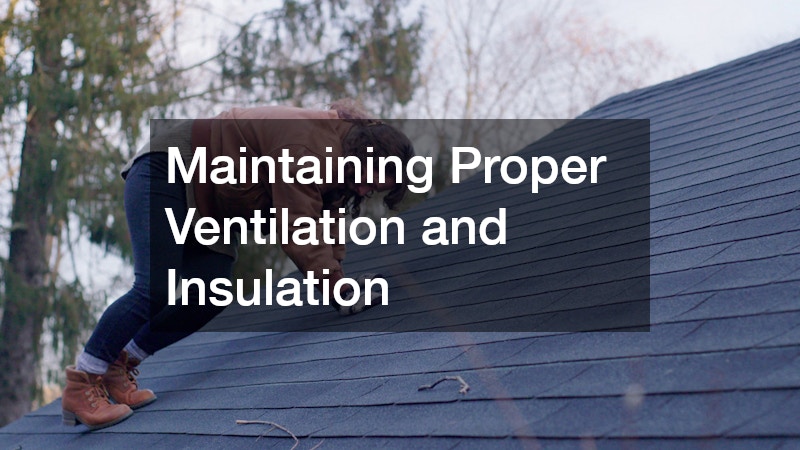
Ventilation and insulation are critical components of a healthy roofing system, yet many homeowners overlook their importance. Proper ventilation allows heat and moisture to escape the attic, preventing problems such as mold growth, wood rot, and premature shingle deterioration. Insulation, on the other hand, helps regulate indoor temperature by reducing heat transfer between the attic and the living spaces below. When both systems function effectively, the roof lasts longer and the home becomes more energy efficient. Maintaining balanced airflow and insulation levels is key to preserving overall roof performance.
If ventilation or insulation issues go unnoticed, they can quietly cause damage that becomes expensive to repair. Signs such as hot attic temperatures, ice dams, or increased indoor humidity may indicate problems that require professional evaluation. Scheduling a roof inspection when these symptoms appear can help diagnose underlying issues and prevent further deterioration. Addressing ventilation and insulation needs early supports a healthier roofing system and enhances long-term home comfort.
Scheduling Routine Roof Inspections and Maintenance
Routine inspections are one of the most effective ways to extend the lifespan of your roof and avoid costly repairs. Regular checkups allow homeowners to identify early signs of wear, structural concerns, or water intrusion before they become serious. Inspectors can spot damage that may not be visible from the ground, such as loose shingles, clogged gutters, compromised flashing, or soft spots on the decking. By staying proactive with inspections, homeowners maintain greater control over their roof’s condition and reduce the likelihood of unexpected issues.
In addition to inspections, ongoing maintenance plays a major role in roof longevity. Tasks such as clearing debris, repairing minor issues, and ensuring gutters function properly all contribute to better roof performance. Partnering with roofing services can help homeowners maintain a consistent maintenance schedule tailored to their roof’s age, material, and local climate conditions. Routine care ensures your roof remains strong, dependable, and ready to withstand seasonal challenges.
Hiring Qualified Professionals for Roofing Work
When it comes to roof repairs or replacements, choosing qualified professionals is essential for ensuring safety, durability, and proper installation. Roofing work requires specialized skills, equipment, and knowledge of building codes that the average homeowner does not possess. Hiring trained experts helps prevent mistakes that could lead to leaks, structural damage, or premature roof failure. Experienced contractors can accurately diagnose issues, recommend effective solutions, and perform repairs that stand the test of time. Trusting your roof to capable professionals protects your home and your investment.
Situations that require immediate attention, such as sudden leaks or storm damage, make professional expertise even more important. In these cases, homeowners may need emergency roof repairs to prevent further damage and restore the roof’s integrity quickly. Reliable professionals can respond promptly, assess the situation, and implement fast, temporary solutions before providing long-term repair options. Turning to qualified specialists ensures your home receives the care it needs during urgent situations.
Preparing Your Roof for Long-Term Durability
Ensuring your roof lasts as long as possible requires thoughtful care, quality materials, and attention to preventive maintenance. Homeowners can extend their roof’s lifespan by addressing small issues promptly, choosing durable roofing materials, and staying proactive about seasonal upkeep. Proper drainage, clean gutters, and intact flashing all play important roles in long-term roof performance. Investing in occasional upgrades, such as improved insulation or protective coatings, can further enhance durability and reduce the risk of future damage. A long-lasting roof begins with consistent care and informed decision-making.
Professional guidance is also valuable when planning for long-term roof health. Many roofing companies offer maintenance programs that include scheduled inspections, minor repairs, and performance evaluations tailored to your roof’s age and material. These services help homeowners stay ahead of potential problems and preserve structural integrity over time. Preparing your roof for durability ensures your home remains safe, energy-efficient, and well-protected for years to come.
Understanding your roof and the role it plays in protecting your home is essential for long-term safety, comfort, and financial security. From recognizing the early signs of damage to choosing the right materials and knowing when to call professionals, informed homeowners are better equipped to maintain strong, reliable roofs. Each part of the roofing system works together to shield your home from the elements, regulate temperature, and support structural stability. Taking the time to learn about maintenance, inspections, and repairs helps prevent costly issues and extends the lifespan of your roof.
A proactive approach to roof care ensures your home remains resilient through changing seasons and unexpected weather events. By investing in routine inspections, timely repairs, and trusted roofing experts, homeowners can enjoy peace of mind knowing their roof is prepared for years of dependable performance. Whether you’re maintaining an older roof or planning a future replacement, understanding these foundational principles empowers you to make confident decisions that protect your home and enhance its long-term value.