

Upgrading a home to include smart room features is no longer a futuristic concept reserved for luxury properties. Today’s homeowners are increasingly interested in blending comfort, efficiency, and modern design into spaces that adapt to their daily routines. Smart lighting, automated ceiling fans, connected fireplaces, and thoughtfully integrated finishes can transform a standard room into a highly functional and enjoyable environment. These upgrades not only improve how a space feels and operates but can also increase long-term property value and energy efficiency.
A successful smart room upgrade begins with understanding how different systems work together. Lighting affects mood and visibility, airflow impacts comfort, and design choices influence how technology blends into the room. Beyond aesthetics, smart features offer practical benefits such as scheduling, remote access, and improved safety. When planned correctly, these upgrades feel seamless rather than overwhelming, enhancing everyday living without adding complexity.
This article explores how to approach a smart room upgrade in a structured, thoughtful way. From planning and lighting to climate control and finishing touches, each section provides insight into how homeowners can make informed decisions. The goal is to help you envision a smart room that fits your lifestyle while avoiding common pitfalls, ensuring every element contributes to a cohesive, functional space. Smart technology should enhance the room’s purpose, whether that’s relaxation, productivity, entertainment, or a combination of all three. By focusing on both form and function, homeowners can achieve results that feel intuitive and lasting rather than trendy or short-lived.
1. Planning Your Smart Room With Electrical Expertise
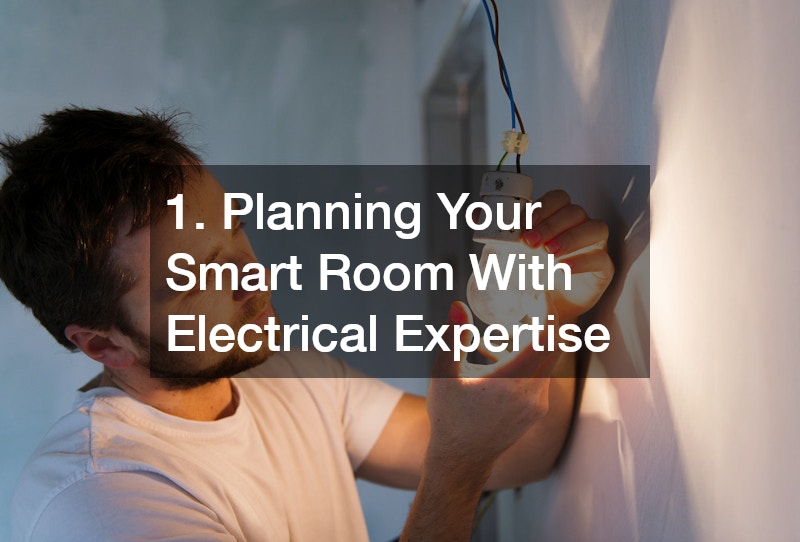
Every smart room begins with a solid plan, and electrical considerations are often at the core of that process. Before choosing devices or finishes, it’s important to evaluate the room’s current infrastructure and future needs. Power availability, outlet placement, and load capacity all influence what upgrades are possible. Thoughtful planning at this stage prevents costly changes later and ensures the room can support modern technology safely and efficiently.
Working with an electrician during the planning phase allows homeowners to understand limitations and opportunities within the space. This professional can identify whether existing wiring supports automation, recommend upgrades, and help map out where controls and fixtures should be placed. Addressing these details early creates a foundation for seamless integration, allowing smart features to function reliably while maintaining safety and compliance with local standards. Additional considerations, such as surge protection, dedicated circuits, and future expandability, can also be built into the plan, ensuring the room remains adaptable as technology continues to evolve.
2. Designing Effective Smart Lighting Solutions
Lighting plays a central role in how a smart room functions and feels. A well-designed lighting plan balances ambient, task, and accent lighting to support daily activities while enhancing aesthetics. Smart systems allow homeowners to adjust brightness, color temperature, and timing to match different moods or routines. This flexibility makes lighting one of the most impactful upgrades in a modern room.
Proper smart lighting installation requires careful consideration of layout and control options. Homeowners should think about how lights will be grouped, automated, or voice-controlled to avoid unnecessary complexity. Thoughtful placement ensures even illumination and reduces glare, while intuitive controls make the system easy to use. When lighting is designed with intention, it elevates both comfort and usability without drawing attention to the technology itself. Layered lighting scenes can also be programmed to support specific activities such as reading, entertaining, or winding down at night, adding a personalized touch to the space.
3. Improving Comfort With Modern Ceiling Fans
Air circulation is a key component of comfort, and ceiling fans remain one of the most effective ways to regulate temperature within a room. Modern smart fans offer variable speeds, scheduling, and integration with other systems to maintain comfort efficiently. They can reduce reliance on heating and cooling systems, helping to manage energy use throughout the year. In addition, proper airflow can help eliminate stagnant air, making the room feel fresher and more inviting throughout the day and across changing seasons.
A ceiling fan installer ensures that the fan is mounted securely, balanced correctly, and positioned for optimal airflow. Proper installation also allows the fan to integrate smoothly with smart controls, avoiding issues such as wobbling or noise. With the right setup, a ceiling fan becomes a quiet, reliable part of the room’s climate strategy rather than a visual or functional distraction. Advanced models can also respond automatically to temperature changes or occupancy, further enhancing comfort while minimizing energy consumption and supporting consistent indoor air quality.
4. Coordinating Paint Choices With Smart Features

Color and finish choices significantly influence how smart features are perceived within a room. Lighter tones can enhance brightness and reflect light more evenly, while darker shades create contrast and intimacy. Paint also affects how fixtures and screens stand out, making it an important element in overall design harmony.
A skilled painter understands how surface preparation, finish selection, and color application impact the final result. Coordinating painting with lighting and fixture installation prevents touch-ups and ensures clean lines around devices. When paint choices are made with smart features in mind, the technology blends naturally into the room rather than appearing as an afterthought. Subtle finishes can minimize glare from screens or reflective surfaces, while accent walls can be used strategically to highlight focal points without overpowering the space.
5. Timing Paint Projects Within a Smart Upgrade
Painting is often one of the final steps in a room upgrade, but its timing can affect the entire project. Coordinating paint work with other installations prevents damage to finished surfaces and allows for precise detailing around fixtures. Proper sequencing ensures efficiency and preserves the quality of the finished space. When planned carefully, painting helps unify all elements in the room, creating visual continuity between walls, trim, ceilings, and installed smart features. It also gives homeowners the opportunity to correct minor imperfections before the project is considered complete.
Experienced painting companies can work alongside other trades to align schedules and deliver consistent results. Their ability to adapt to project timelines helps maintain momentum while ensuring high standards. When painting is treated as part of the overall smart room strategy, it enhances durability and visual cohesion rather than causing delays or rework. Proper timing also allows for adequate curing and ventilation, which is especially important when new electrical or lighting components are involved. This approach reduces lingering odors, protects sensitive equipment, and ensures finishes hold up well over time.
6. Integrating Fireplaces Into Smart Living Spaces
Fireplaces add warmth and character to a room, and modern designs allow them to integrate seamlessly into smart environments through sleek, recessed finishes and customizable flame displays. Automated controls enable precise temperature management and remote operation via smartphone apps or voice commands, significantly enhancing daily convenience and safety. When thoughtfully designed, a fireplace becomes both a functional and visual centerpiece, often featuring programmable LED mood lighting that adjusts based on the time of day. These units can even sync with local weather sensors to automatically activate when temperatures drop, ensuring the home remains inviting.
Fireplace contractors play a crucial role in ensuring proper installation and technical integration within the home’s smart ecosystem. They expertly address ventilation, clearances, and specialized control systems to meet rigorous safety requirements while supporting advanced smart functionality. By coordinating aesthetics and technology, contractors ensure homeowners enjoy the classic ambiance of a fireplace without compromising energy efficiency or ease of use. Furthermore, smart fireplaces can be programmed to work in harmony with automated lighting and climate systems, allowing for “scene” triggers—such as a “Relaxation Mode”—that adjust the entire room’s atmosphere with minimal effort and maximum reliability.
7. Adding Smart Plumbing Features Thoughtfully

Smart room upgrades often extend beyond lighting and climate control to include sophisticated water-related features. Touchless fixtures, leak detection, and digital temperature control systems enhance daily convenience while significantly reducing resource waste. These features are particularly valuable in spaces that combine comfort with functionality, such as bathrooms or multipurpose rooms, where personalized profiles can ensure the perfect water temperature is ready instantly. Furthermore, modern eco-modes and usage tracking empower residents to make data-driven decisions about their environmental footprint, effectively turning standard utilities into sustainable assets.
A plumbing contractor ensures these complex systems are installed correctly and operate reliably within a home’s existing infrastructure. Proper integration prevents leaks, maintains optimal water pressure, and supports long-term performance, which ultimately increases property value for tech-savvy buyers. When plumbing upgrades are aligned with the overall smart room design, they contribute to a safer, more efficient living environment that seamlessly complements an automated lifestyle. Advanced monitoring systems also provide real-time alerts for irregular usage, allowing homeowners to intervene and prevent structural damage before it becomes a costly emergency.
8. Ensuring Safe Electrical Integration Across Systems
As smart rooms incorporate multiple connected devices, electrical coordination becomes increasingly important to maintain a stable and responsive network. Each system—from high-draw appliances to sensitive smart hubs—must work together without overloading circuits or creating potential safety hazards. Proper planning ensures cross-platform compatibility and long-term reliability, preventing the common “ghost triggers” or connectivity drops associated with poor power quality. By establishing a robust digital backbone, homeowners can ensure that high-bandwidth activities like 4K streaming and automated security monitoring operate simultaneously without compromising the performance of other integrated features.
Electrical contractors manage these complexities by overseeing specialized wiring, dedicated load distribution, and seamless system integration. Their expertise helps prevent electromagnetic interference between devices and ensures strict compliance with modern safety standards and local building codes. With professional oversight, homeowners can enjoy advanced features with confidence in the room’s electrical integrity and surge protection capabilities. This level of coordination also supports future-proofing for subsequent upgrades, allowing new technologies, such as integrated EV charging or high-capacity battery storage, to be added without the need for major structural disruptions or expensive rewiring projects.
9. Managing Projects With a Central Point of Coordination
Smart room upgrades often involve multiple trades, materials, and timelines. Without clear coordination, projects can become disorganized and stressful. Centralized management keeps the process efficient and ensures that each phase aligns with the overall vision.
A remodeling company provides this structure by overseeing scheduling, communication, and quality control. By acting as a single point of contact, they reduce confusion and keep progress on track. This approach allows homeowners to focus on design decisions rather than logistical challenges. Clear oversight also helps manage budgets and timelines, ensuring expectations are met without compromising quality.
10. Achieving Cohesion Through Collaborative Remodeling

The most successful smart rooms feel intentional and unified, with every element working together to simplify daily life and comfort. Achieving this level of cohesion requires collaboration among all professionals involved, from design through completion, ensuring that aesthetics and utility are perfectly balanced. Consistency in materials, finishes, and functionality ensures a polished result that enhances both the home’s value and the occupant’s overall well-being.
Remodeling companies bring experience in aligning diverse upgrades into a single, cohesive project. Their ability to coordinate multiple aspects of construction and design results in a space that feels balanced and thoughtfully executed. With the right collaboration, a smart room becomes more than a collection of features—it becomes a seamless extension of the home. This unified approach ensures that technology enhances the space without overshadowing comfort or style.
Transforming a room into a smart, modern space is both an exciting and rewarding endeavor. When approached with careful planning and a clear vision, smart upgrades enhance comfort, efficiency, and overall quality of life. From lighting and airflow to finishes and integrated features, each element contributes to a room that adapts to your needs rather than requiring constant attention.
The key to success lies in understanding how systems interact and ensuring that every upgrade supports the larger goal of functionality and design harmony. Thoughtful sequencing, professional installation, and coordinated planning prevent common issues and deliver long-lasting results. Smart rooms should feel intuitive and inviting, not complicated or overwhelming.
By investing time in preparation and collaboration, homeowners can create spaces that are both technologically advanced and aesthetically pleasing. A well-executed smart room upgrade adds value beyond convenience—it enhances daily living, supports sustainability, and creates a home environment that evolves with you for years to come.