

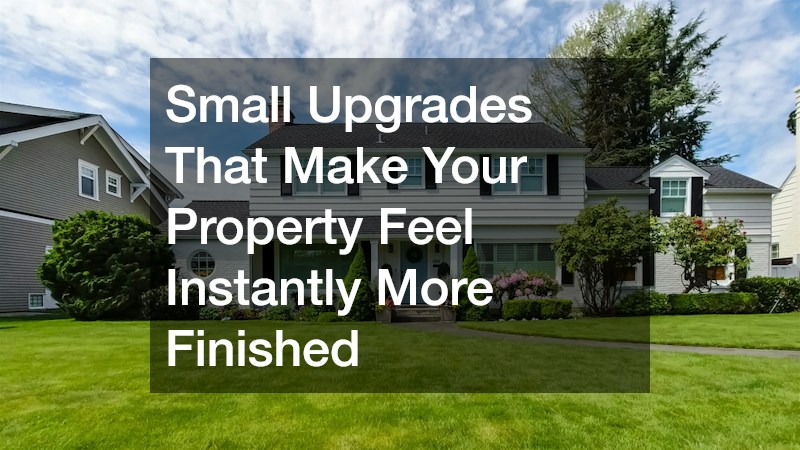
Every property has a ceiling on how polished it can feel, and small overlooked details are often what keep a home from crossing that line. You don’t need a full renovation to make your house feel complete, intentional, and well cared for. The right combination of small outdoor and indoor upgrades can transform a property from “lived in” to “finished” in a matter of weekends. This article walks through practical, achievable upgrades that make a noticeable difference without requiring a construction loan.
Fresh Garden Beds and Clean Edges
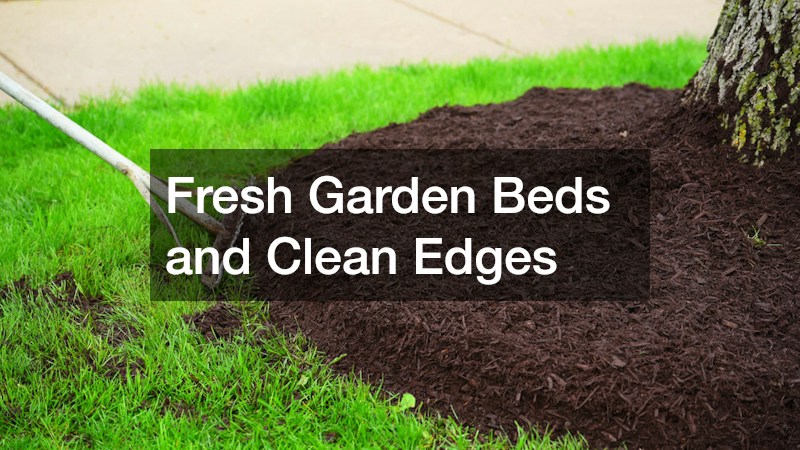
Garden beds are one of the first things people notice when they walk up to a home, and tired, weedy, or bare beds can make even a newly painted house look neglected. Refreshing the soil surface with a layer of bark dust instantly gives beds a crisp, finished look while also helping retain moisture and suppress weeds. It’s an affordable upgrade that most homeowners can do in an afternoon, yet the visual payoff is immediate and long-lasting.
Beyond the material itself, clean bed edges matter just as much as what fills them. A sharp, defined line between lawn and planting bed signals intentional design rather than neglect, and it’s one of the cheapest ways to elevate curb appeal.
- Choose a bark dust color that complements your home’s exterior tones
- Reapply every one to two years to maintain coverage and color
- Edge beds with a spade or install plastic or metal edging for crisp lines
- Pair fresh mulch with trimmed shrubs for a cohesive finished look
Healthy Lawn Through Routine Feeding
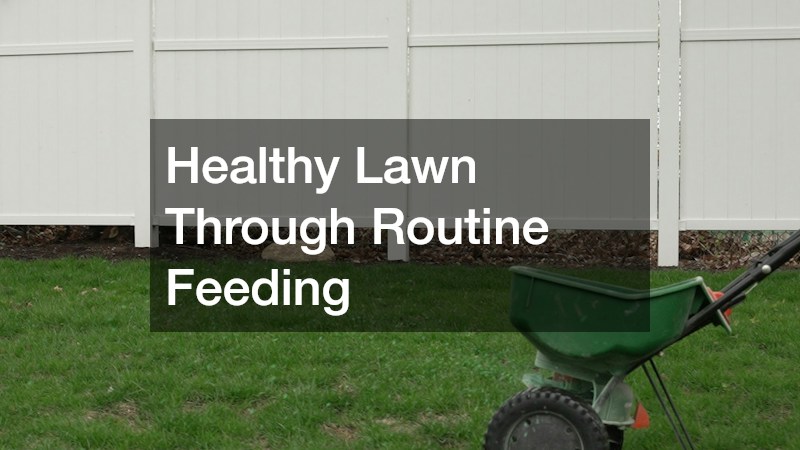
A patchy, discolored lawn draws the eye in the wrong direction, no matter how nice the rest of the property looks. Investing in a regular fertilizing service keeps grass thick, green, and consistent throughout the growing season, which does more for curb appeal than almost any other single outdoor upgrade. Consistent feeding also strengthens root systems, helping lawns resist drought stress and recover faster from heavy foot traffic.
Homeowners often underestimate how much a uniform, healthy lawn contributes to the perception of a well-maintained property. It creates a visual frame for everything else, from landscaping to the house itself, and it signals ongoing care rather than a one-time cleanup before a sale or gathering.
- Schedule seasonal feedings timed to your region’s grass type
- Combine fertilization with aeration for deeper nutrient absorption
- Address bare patches early before they spread
- Keep mowing height consistent to support root health
Illuminated Walkways and Entry Points
Lighting is one of the most underrated upgrades for making a property feel finished, especially after sunset. Installing landscape lighting along walkways, garden beds, and entry points adds both safety and style, guiding visitors toward the front door while highlighting architectural or plant features. Even a modest, low-voltage system can transform how a home presents itself in the evening hours. Path lights spaced three to six feet apart create a consistent, welcoming glow without looking overdone, while uplights tucked near trees or columns add depth and drama. For entryways, consider pairing wall-mounted sconces with a subtle spotlight on house numbers so the address is visible at night. Warm white bulbs, in the 2700K to 3000K range, tend to look more inviting than cooler tones, which can feel clinical or sterile. Solar-powered fixtures offer an easy, low-cost entry point for budget-conscious homeowners, while wired low-voltage systems provide more consistent brightness and allow for dimming or timer controls. Smart plugs or app-controlled transformers make it simple to schedule lights to turn on at dusk automatically. Whichever route you choose, the goal is the same: a clearly lit, well-defined path that makes the home feel cared for and move-in ready the moment someone pulls into the driveway.
- Use low-voltage path lights spaced 6-8 feet apart to define walkways and driveway edges without creating a runway effect
- Add uplighting on trees or architectural columns, positioning fixtures 1-2 feet from the base for dramatic shadow and depth
- Choose warm-toned bulbs (2700K-3000K) for a welcoming, cohesive feel that complements indoor lighting
- Install on timers or smart switches for convenience and energy savings, with dusk-to-dawn sensors as a hands-free option
- Highlight house numbers and front door hardware with a small spotlight so guests can find their way after dark
- Opt for LED fixtures to cut energy costs and reduce bulb replacements, since many last 20,000+ hours
Shaded Outdoor Living Spaces
A patio or deck without shade often goes unused during the hottest parts of the day, which means an otherwise beautiful outdoor space feels incomplete. Adding awnings over a patio, deck, or window creates usable shade and gives the exterior of the home a more tailored, finished appearance. Retractable options offer flexibility, letting homeowners open up the space on cooler days and close it for shade and some weather protection when needed.
Beyond function, these additions also add visual texture to an otherwise flat exterior wall or patio area. They come in a range of colors and fabrics that can be matched to existing trim or roofing tones, helping the whole exterior feel more pulled together rather than like separate unrelated elements.
- Measure sun exposure throughout the day before choosing placement
- Consider retractable models for seasonal flexibility
- Match fabric or frame color to existing exterior finishes
- Check local permitting requirements before installation
Secure and Stylish Property Entrances

The entrance to a driveway or yard sets expectations for everything beyond it, and a sagging wooden fence or outdated chain-link gate can undercut even the nicest landscaping. Upgrading to metal gates offers durability, security, and a more polished first impression, since they tend to hold their shape and finish far longer than wood alternatives. Many styles can be customized with ornamental details that match the architectural style of the home, from modern minimalist designs to more traditional wrought iron looks.
- Choose powder-coated finishes for better rust resistance
- Consider automated opening systems for convenience
- Match gate style to existing fencing or railings
- Factor in maintenance needs like occasional repainting or lubrication
Roof Condition and Curb Appeal

The roof covers a huge visual area of any home, yet it’s often the most ignored component until a leak forces attention. Discolored shingles, moss growth, or sagging rooflines can make an otherwise updated property look tired from the street. Getting an inspection from established roofing companies can identify minor issues like missing shingles or clogged gutters before they become expensive structural problems, while also giving homeowners a clear picture of how much life is left in the current roof.
A clean, well-maintained roofline also complements other upgrades around the property, since it’s often the backdrop against which everything else is viewed. Simple maintenance like gutter cleaning and moss treatment can make a roof look years younger without a full replacement.
- Schedule an inspection annually or after major storms
- Clear moss and debris to prevent shingle damage
- Check flashing around chimneys and vents for wear
- Keep gutters clear to prevent water staining on siding
Reliable Indoor Climate Control
A property can look stunning on the outside, but an unreliable HVAC system quickly undermines the feeling of a finished, move-in-ready home. Buyers and homeowners alike notice temperature inconsistencies, strange noises, or musty smells almost immediately, and those small red flags can overshadow an otherwise beautifully updated space. Scheduling regular AC service helps catch small issues, like low refrigerant, dirty coils, or a clogged condensate line, before they turn into costly breakdowns during the hottest months. Most HVAC professionals recommend a tune-up at least once a year, ideally in spring, so the system is running efficiently before peak summer demand hits. A typical visit includes checking refrigerant levels, inspecting electrical connections, and cleaning or replacing air filters, all of which are inexpensive compared to an emergency repair or full system replacement. Consistent maintenance also keeps energy bills predictable, which matters to both current owners and future buyers evaluating the home. A well-maintained system can run 10 to 15 percent more efficiently than a neglected one, and that difference shows up clearly on monthly utility statements. For sellers, a documented service history is a simple but persuasive detail that signals the home has been cared for beyond its cosmetic upgrades.
A reliable indoor climate control system does more for a property’s finished feel than most people realize, precisely because it works quietly in the background. Odd noises, uneven temperatures between rooms, or a thermostat that struggles to hold its setting are all early warning signs worth acting on. When problems do arise, addressing AC repairs quickly prevents further strain on the system and avoids the discomfort of a mid-summer breakdown. Beyond emergency fixes, simple habits extend the life of the unit and keep performance consistent. Replacing air filters every one to three months, scheduling a seasonal tune-up, and keeping outdoor condenser units clear of leaves and debris all make a noticeable difference. These small efforts cost far less than a full system replacement and help maintain steady airflow and humidity control throughout the home. A well-functioning system is one of those invisible upgrades that buyers and guests may not consciously notice, but they’ll absolutely notice its absence. A home that stays comfortable in every season, without loud equipment or musty, humid rooms, signals genuine care and upkeep. That sense of polish is exactly what separates a house that feels merely lived-in from one that feels truly finished.
- Replace air filters every one to three months, checking monthly during heavy-use seasons like summer and winter
- Keep outdoor condenser units clear of debris, vegetation, and leaves, leaving at least two feet of clearance on all sides
- Watch for unusual noises, weak airflow, or inconsistent temperatures between rooms as early warning signs
- Schedule professional tune-ups each spring before peak season, and again in fall if you rely on a furnace or heat pump
- Seal gaps around windows, doors, and ductwork to prevent conditioned air from escaping and driving up energy bills
- Test your thermostat’s accuracy annually and consider upgrading to a programmable or smart model for better efficiency
Plumbing Fixtures and Water Flow
Few things undercut a finished feeling faster than a dripping faucet, slow drain, or outdated fixture. Bringing in a licensed plumber to address these small but persistent issues can instantly improve how a kitchen or bathroom feels, since clean, modern fixtures with strong consistent water pressure read as quality even in an otherwise simple room. These updates are also relatively low-cost compared to full remodels, making them an efficient way to boost a home’s perceived value.
- Replace worn faucet aerators to improve water pressure
- Upgrade old fixtures to matching finishes throughout the home
- Fix slow drains before they become bigger clogs
- Inspect under-sink connections for early signs of leaks
Clean Job Sites During Renovation Projects
Any time a property upgrade involves significant debris, such as roofing replacement, landscaping overhauls, or interior demolition, keeping the site tidy makes a real difference in how the project feels from start to finish. Renting construction dumpsters keeps materials contained and the property safer and more presentable throughout the process, rather than letting debris pile up in the yard or driveway for weeks. This is especially useful for homeowners tackling multiple upgrades at once, since it keeps separate projects from blending into a single messy job site.
- Choose a dumpster size based on project scope to avoid overage fees
- Keep walkways and driveways clear for safety during active work
- Confirm placement location won’t damage lawn or driveway surfaces
- Schedule pickup promptly once a project phase is complete
None of these upgrades require a massive budget or a complete overhaul of the property, but together they close the gap between a house that functions and one that feels genuinely finished. Start with the areas that affect daily life and first impressions the most, whether that’s a tired lawn, a dim walkway, or an aging fence line. Tackling even two or three of these projects this season can noticeably shift how the property feels to live in and to show. The goal isn’t perfection all at once, but steady, visible progress toward a home that feels complete.