Selecting the right exterior paint is one of the smartest ways to protect your home while improving its curb appeal. Paint plays a much bigger role than simply refreshing a façade.
It shields your home from UV rays, moisture, temperature changes, and long-term wear. Whether you’re updating an older property or painting a newly built home, understanding what factors matter most can help you avoid costly mistakes. With the right approach, choosing exterior paint becomes much easier and significantly more rewarding.
Know How Climate Affects Exterior Paint
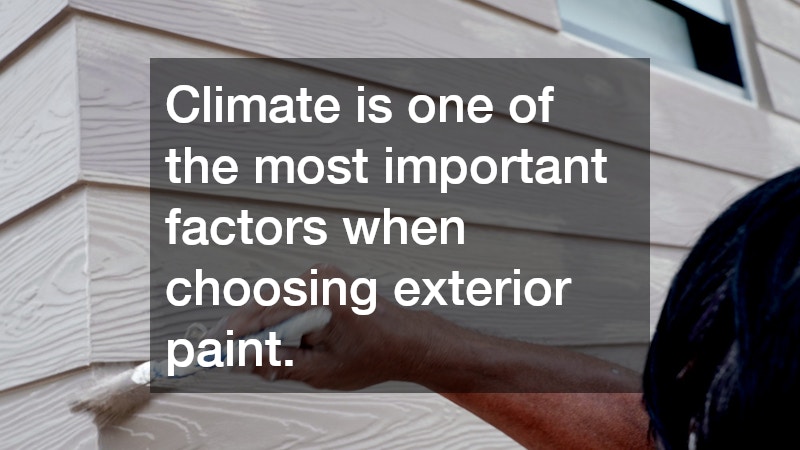
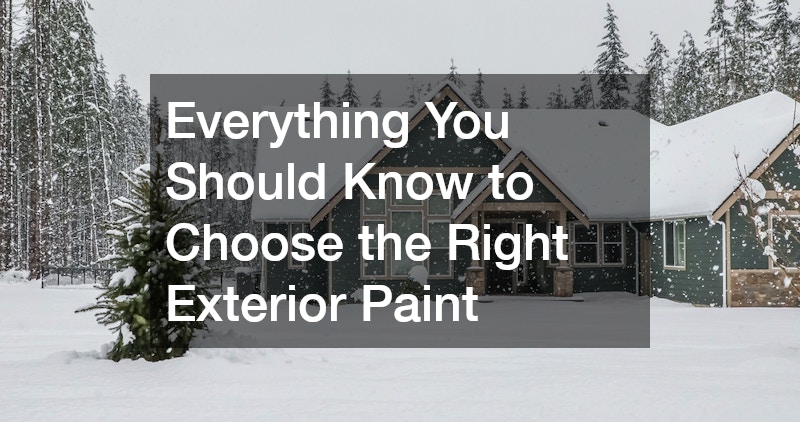
Climate is one of the most important factors when choosing exterior paint. Hot, sunny regions often cause colors to fade faster, especially darker shades. On the other hand, cold or wet climates require paint formulas that resist cracking, peeling, and mildew. Paint manufacturers offer specific lines designed to withstand certain weather patterns, so matching your climate to the right product can make a huge difference in durability.
Humidity levels also play a role. Areas with frequent rain or coastal exposure benefit from moisture-resistant exterior paint. Homes in regions with harsh winters may need flexible paint that can expand and contract without damage. Understanding your climate ensures that the paint you choose stays vibrant and protective for years.
Consider the Surface You’re Painting
Not all exterior surfaces accept paint the same way. Wood, brick, stucco, and vinyl siding all require different types of preparation and sometimes different paint formulas. Wood siding often needs a primer and may require paint that helps prevent rot or moisture penetration. Stucco usually absorbs paint more deeply and benefits from elastomeric coatings that help cover small cracks.
Brick can be painted, but it needs breathable exterior paint that allows vapor to escape. Vinyl siding requires paint specifically formulated to withstand expansion from heat and to avoid warping. Evaluating the surface ahead of time helps you choose a product that enhances longevity instead of causing future problems.
Pick the Right Finish for Your Home
The finish of exterior paint influences how your home looks and how easy it is to maintain. Flat or matte finishes hide surface imperfections but may not be as washable. Satin finishes offer a slight sheen and work well on most siding types, providing both durability and aesthetic appeal. Semi-gloss and gloss finishes are ideal for trim, doors, railings, and other high-touch areas because they stand up well to cleaning and moisture.
Choosing the right finish can highlight your home’s architectural details and improve its overall appearance. Since different finishes serve different purposes, combining them thoughtfully brings balance and dimension to your exterior.
Choose Long-Lasting, High-Quality Paint
High-quality exterior paint may cost more upfront, but it provides better coverage, stronger adhesion, and longer durability. Premium products often resist fading, cracking, and mold better than budget options. They also require fewer coats, saving time and reducing labor costs.
A quality paint often includes ingredients like UV blockers and mildew-resistant technology. These additives help the paint maintain its color and finish even in challenging environments. For many homeowners, investing in a premium exterior paint results in fewer repaints and better long-term protection.
Test Colors Before Committing
Color choice is one of the most exciting parts of selecting exterior paint, but it can also be challenging. Colors often look different outdoors than they do on a small swatch or digital screen. Sunlight, shade, nearby landscaping, and even the color of your roof can influence how paint appears on your home.
Before choosing a final color, apply sample patches to different sides of your house. Observe them at various times of day, including morning, midafternoon, and evening. This helps you avoid disappointment and ensures the exterior paint complements the rest of your home’s surroundings.
Don’t Forget About Prep Work
Even the best exterior paint cannot perform well on a poorly prepared surface. Proper preparation includes cleaning, scraping, sanding, and priming where necessary. Dirt, mold, or old peeling paint prevents new paint from adhering properly. Pressure washing is often the first step, but surfaces must dry completely before painting begins.
Repairing damage such as cracks, rotten wood, or loose siding is also essential. Applying fresh paint to damaged surfaces may temporarily improve the appearance, but it will not last. Taking time to prep ensures your investment in exterior paint pays off with a smooth, long-lasting finish.
Understand When to Use Primer
Primer helps create an even base and improves the bond between the surface and the new paint. It is especially important when switching from dark to light colors, painting over bare wood, or covering patched areas. Some high-end paints include built-in primer, but heavily weathered or uneven surfaces may still require a separate layer for best results.
For homeowners repainting older exteriors, primer helps seal stains and provides better coverage. Whether you’re dealing with new construction or a renovation, using primer strategically supports the longevity and performance of your exterior paint.
Choose Colors That Complement Your Home’s Style
Your exterior paint color should enhance your home’s architecture, not compete with it. Traditional homes often look best with classic, muted tones, while modern homes can handle bold colors and high-contrast combinations. Neighborhood aesthetics may also influence your color choice, especially if you want your home to blend naturally with surrounding properties.
Keep in mind that exterior paint colors can affect perceived home value. Neutral shades tend to appeal to more buyers, making them a smart choice if you plan to sell in the future. Whether you want something timeless or eye-catching, picking a cohesive palette helps your home look polished and intentional.
Choosing the right exterior paint involves more than picking a color you like. Climate, surface type, finish, quality level, and preparation all work together to determine how well your paint performs and how long it lasts. Thoughtful planning helps ensure your home remains protected and visually appealing for years. By testing colors, selecting durable products, and paying attention to preparation, you can make confident decisions and enjoy results that elevate your home’s curb appeal. If you’re ready to refresh your home’s exterior, taking these steps will help your exterior paint stay beautiful and resilient season after season.